
 By
By 
Well woman’s exam explained simply. Learn what to expect, tests, timing, and benefits for your health and peace of mind.
A well woman’s exam is a routine health check focused on preventive care, reproductive health, and early detection of issues. It includes a physical exam, health review, and screenings like Pap tests, helping women stay healthy and informed at every stage of life.
Do you really need a checkup if you feel perfectly fine?
A well woman’s exam is a preventive healthcare visit designed for women of all ages. It focuses on maintaining good health rather than treating illness. Even if you feel healthy, this exam helps catch hidden issues early. That’s what makes it so powerful.
During this visit, your provider checks your overall health. They review your medical history and lifestyle. They also discuss your menstrual cycle, sexual health, and mental well-being. It’s not just a physical exam-it’s a full-body check-in.
Think of it like a regular tune-up for your body. You wouldn’t skip servicing your car, right? The same logic applies here. Early detection can prevent serious problems later.
Many women skip this exam due to fear or confusion. But once you understand what happens, it becomes much less intimidating. In fact, many women feel relieved and empowered after going.
What Is A Well Woman’s Exam? 🩺
A well woman’s exam is a yearly visit focused on preventive care. It helps track your health over time. This includes physical, reproductive, and emotional health.
Your doctor or gynecologist performs several checks. These include a breast exam, pelvic exam, and sometimes lab tests. The goal is to detect issues before symptoms appear.
It also includes a discussion about your lifestyle. You might talk about diet, exercise, stress, and sleep. These small factors play a big role in your health.
The exam is tailored to your age and needs. A teenager’s visit looks different from someone in their 40s. That’s why personalization matters here.
Why Regular Exams Are So Important 🌸
Regular exams help catch problems early. Many serious conditions show no symptoms at first. Early detection means easier treatment.
They also help track changes in your body. Your doctor builds a health history over time. This makes future diagnoses more accurate.
Another benefit is peace of mind. Knowing you’re healthy reduces anxiety. It gives you confidence in your body.
Skipping exams can lead to delayed diagnoses. That can make treatment harder and more expensive. Prevention is always better than cure.
Before diving deeper, let’s connect two important terms you might hear often.
A well woman’s exam is often confused with an annual gyn exam. While they overlap, they are not exactly the same. The well woman’s exam covers overall health, while the annual gyn exam focuses mainly on reproductive health. Both are important for complete care.
During a well woman’s exam, your provider may include parts of an annual gyn exam. This includes pelvic exams, Pap smears, and discussions about birth control. Together, they create a full picture of your health and help you stay proactive.
What Happens During The Visit? 🏥
The visit usually starts with basic measurements. These include height, weight, and blood pressure. These numbers help track your overall health.
Next, your provider reviews your medical history. They ask about past illnesses, medications, and family history. This helps identify risk factors.
You’ll also discuss your menstrual cycle. Questions about regularity, pain, and changes are common. Don’t worry-this is normal.
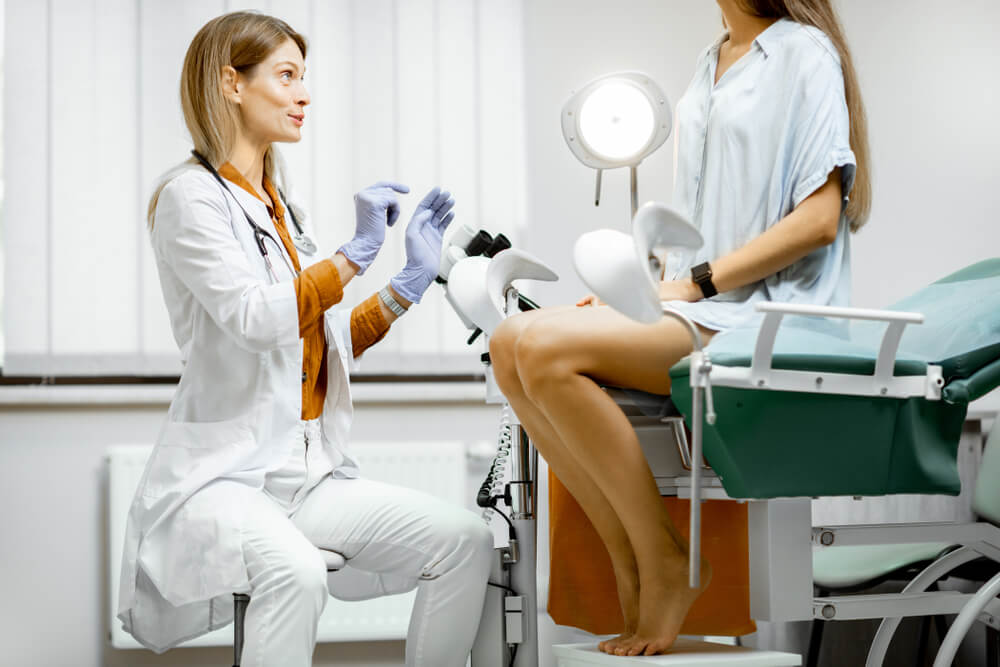
The visit ends with a physical exam. This may include breast and pelvic exams. Each step is explained to keep you comfortable.
Physical Exam Breakdown 🧍♀️
The physical exam checks your general health. It includes several simple steps. Each one serves a purpose.
Your provider checks your heart and lungs. They listen for any unusual sounds. This helps detect early signs of illness.
They may also examine your abdomen. This helps identify any swelling or pain. It’s quick and painless.
Here’s a quick overview:
|
Exam Type |
What It Checks |
Why It Matters |
|---|---|---|
|
Blood Pressure |
Heart health |
Detects hypertension |
|
Weight & BMI |
Body composition |
Tracks overall fitness |
|
Heart & Lungs |
Organ function |
Finds early issues |
Breast Exam Explained 🎗️
A breast exam checks for lumps or changes. It’s a key part of early cancer detection.
Your provider gently examines your breasts. They look for unusual textures or shapes. This only takes a few minutes.
You’ll also learn how to do self-exams at home. This empowers you to monitor changes regularly.
Early detection saves lives. That’s why this step is so important.
Pelvic Exam: What To Expect 💬
The pelvic exam checks reproductive organs. This includes the uterus, cervix, and ovaries.
It may feel uncomfortable, but it should not be painful. Your provider explains each step clearly.
You can always ask questions or request pauses. Your comfort matters.
This exam helps detect infections, cysts, or abnormalities early.
Pap Smear And Screenings 📊
A Pap smear checks for cervical cancer. It’s usually done every 3 years.
The test collects cells from your cervix. These are examined in a lab. It’s quick and simple.
You may also get HPV testing. This checks for virus strains linked to cancer.
Here’s a helpful guide:
|
Screening |
Age Group |
Frequency |
|---|---|---|
|
Pap Smear |
21-65 |
Every 3 years |
|
HPV Test |
30+ |
Every 5 years |
|
Mammogram |
40+ |
Every 1-2 years |
How Often Should You Go? ⏰
Most women should go once a year. That’s why it’s often called an annual exam.
However, some tests are not yearly. Your doctor decides based on your history.
If you have health issues, visits may be more frequent. Pregnancy also changes the schedule.
Consistency is key. Regular visits build a complete health picture.
Who Needs A Well Woman’s Exam? 👩
Every woman needs this exam. It’s not just for older adults.
Teenagers can start as early as age 13-15. Early visits focus on education.
Women in their 20s and 30s focus on reproductive health. Birth control and fertility are common topics.
Older women focus more on menopause and chronic conditions. Each stage has unique needs.
Preparing For Your Appointment 📅
Preparation makes the visit smoother. A little planning goes a long way.
Avoid scheduling during your period. It can affect test results.
Write down questions beforehand. This ensures you don’t forget anything.
Bring a list of medications. Include vitamins and supplements too.
Questions You Should Ask ❓
Asking questions is important. It helps you understand your body better.
Here are some ideas:
- Is my cycle normal?
- Do I need any vaccines?
- What birth control suits me best?
- Are my symptoms concerning?
Your doctor is there to help. No question is too small.
Common Myths Debunked 🚫
Many women avoid exams due to myths. Let’s clear them up.
“Myth: I don’t need it if I feel fine.”
Truth: Many issues show no symptoms early.
“Myth: It’s always painful.”
Truth: It may feel awkward, but not painful.
“Myth: Only older women need it.”
Truth: Every age group benefits from it.
Benefits Of Preventive Care 🌿
Preventive care saves time and money. It reduces the risk of serious illness.
It also improves long-term health outcomes. Early detection leads to easier treatment.
You build a relationship with your doctor. This improves trust and communication.
Most importantly, it gives you control over your health. That’s empowering.
Emotional And Mental Health Check 🧠
Your mental health matters too. Many exams include emotional check-ins.
You may discuss stress, anxiety, or mood changes. These are just as important as physical health.
Your provider can suggest support options. This may include therapy or lifestyle changes.
Health is not just physical. It’s emotional too.
Cost And Insurance Coverage 💰
Most insurance plans cover this exam. It’s considered preventive care.
This means you may not pay anything out of pocket. Always confirm with your provider.
Without insurance, costs vary. Clinics may offer affordable options.
Here’s a quick look:
|
Factor |
Cost Impact |
|---|---|
|
Insurance |
Often fully covered |
|
Extra Tests |
May add cost |
|
Location |
Prices vary by clinic |
When To See A Doctor Sooner ⚠️
Don’t wait for your annual visit if you notice symptoms. Some signs need immediate attention.
These include unusual bleeding, severe pain, or lumps.
Changes in your cycle or discharge also matter.
Trust your instincts. If something feels off, get it checked.
Tips To Feel Comfortable During The Exam 😊
Feeling nervous is normal. But there are ways to ease anxiety.
Wear comfortable clothing. It helps you relax.
Take deep breaths during the exam. This reduces tension.
Remember, doctors do this every day. You are in safe hands.
Conclusion: Take Charge Of Your Health Today 💪
A well woman’s exam is more than a routine visit. It’s your chance to stay ahead of health issues. It focuses on prevention, early detection, and overall well-being.
By going regularly, you protect your future health. You also gain peace of mind. Don’t wait for symptoms to appear. Make this exam a priority in your life.
FAQs
What Happens In A Well Woman’s Exam Visit?
A well woman’s exam includes a physical check, health discussion, and screenings. It may involve a breast and pelvic exam. The goal is prevention and early detection.
How Long Does A Well Woman’s Exam Take?
The exam usually takes 20 to 30 minutes. It depends on tests and discussions. First visits may take longer due to detailed history.
Do I Need A Well Woman’s Exam Every Year?
Yes, most women should go annually. Some tests are less frequent. Your doctor will guide you based on your health.
Is A Well Woman’s Exam Painful Or Uncomfortable?
It may feel slightly uncomfortable but not painful. Doctors aim to keep you relaxed. You can always ask for breaks or explanations.
Can I Go For A Well Woman’s Exam On My Period?
It’s better to avoid your period. It can affect test accuracy. If urgent, your doctor may still proceed.







Comments