








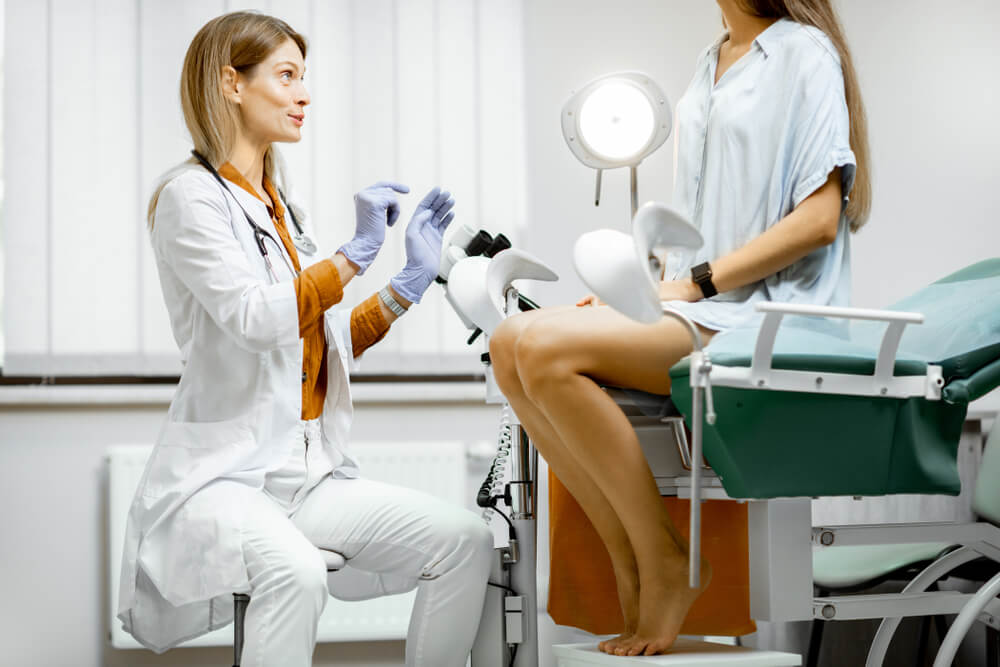
Annual gyn exam helps protect your reproductive health. Learn what happens, why it matters, and how to prepare for a comfortable visit.
An annual gyn exam is a yearly preventive checkup focused on reproductive health. It helps detect early problems, screen for infections, discuss menstrual or hormonal concerns, and provide personalized health guidance. Regular visits improve long-term wellness and give women confidence about their health.
Annual Gyn Exam: Complete Guide To Women’s Preventive Care
When was the last time you checked in on your reproductive health? Many women delay routine visits because they feel healthy. However, preventive care works best before symptoms appear. An annual gyn exam helps doctors detect early issues and keep your body balanced. It also gives you a safe space to ask private health questions. Most visits are quick, simple, and reassuring.
A yearly gynecological visit focuses on screening, education, and prevention. Your doctor checks reproductive organs, discusses lifestyle habits, and updates vaccines or tests. These visits build long-term medical records, making future diagnosis easier. Over time, your provider learns your health patterns and personal needs. That personalized care improves outcomes and peace of mind.
A well woman’s exam focuses on preventive screenings and reproductive health discussions that support lifelong wellness.
Scheduling an annual gyn exam each year helps catch potential concerns early and maintain overall health.
What Is An Annual Gyn Exam? 🩺
An annual gynecological exam is a preventive health visit focused on female reproductive health. It usually includes medical history review, physical examination, and recommended screenings. The goal is early detection of potential health problems. Doctors also provide counseling about contraception, menstrual health, and lifestyle habits. These visits are designed to be respectful and comfortable.
The exam may vary depending on age, health history, and symptoms. Younger patients may only need basic screenings and discussions. Adults may need pelvic exams, Pap tests, or breast checks. Each appointment is personalized, not one-size-fits-all. This flexibility ensures women receive the care they truly need.
Why Annual Visits Matter For Women’s Health ❤️
Preventive visits reduce the risk of serious reproductive diseases. Many conditions develop silently without early warning signs. Regular exams help detect infections, hormonal imbalances, or abnormal cell changes early. Early detection makes treatment easier and more effective. It also lowers long-term medical costs.
Annual exams also strengthen patient-doctor relationships. Women feel more comfortable discussing sensitive topics over time. Trust allows honest conversations about sexual health, fertility, or menopause. Doctors can also track gradual changes across years. That continuous monitoring improves health outcomes significantly.
Who Should Get An Annual Gyn Exam? 👩⚕️
Most healthcare providers recommend starting gynecological visits between ages 13 and 15. Early visits often focus on education rather than physical exams. Teen patients learn about menstrual cycles, hygiene, and sexual health safety. Parents may attend or step out depending on comfort. These early visits help build confidence in medical care.
Adult women should continue yearly visits regardless of sexual activity. Pregnancy plans, contraception needs, and hormonal changes require regular monitoring. Women over 40 may need additional screenings for cancer or menopause-related issues. Even women feeling healthy benefit from preventive testing. Routine visits are a proactive step toward lifelong wellness.
What Happens During The Appointment? 📋
The visit usually begins with reviewing your health history and current concerns. You may discuss medications, lifestyle habits, or recent symptoms. Doctors often check blood pressure, weight, and vital signs. These basic measures provide a snapshot of overall health. They also help track long-term changes.
Next comes the physical or pelvic exam if needed. The doctor gently examines reproductive organs to check for abnormalities. Breast exams may also be performed for early cancer detection. Some visits include lab tests or vaccinations. The entire process usually takes less than 30 minutes.
Common Screenings Performed During Exams 🔬
|
Screening Type |
Purpose |
Recommended Frequency |
|---|---|---|
|
Pap Test |
Detects cervical cell changes |
Every 3-5 years (age-based) |
|
STI Testing |
Detects infections early |
Based on risk factors |
|
Breast Exam |
Checks lumps or changes |
Annually or as advised |
Screening schedules vary by age and personal health history. Doctors adjust recommendations depending on risk levels. Regular screenings help prevent complications through early detection. Discuss your screening schedule during every visit. Staying informed ensures better health decisions.
How To Prepare For Your Visit 📝
Preparation makes the appointment smoother and more comfortable. Write down any symptoms, questions, or medication changes beforehand. Avoid scheduling during menstruation if possible, unless urgent symptoms exist. Wear comfortable clothing for easier examination. Simple preparation reduces stress significantly.
Bring insurance details and previous medical reports if available. Inform the doctor about allergies or past surgeries. Avoid vaginal products or douching 24 hours before exams. These steps help ensure accurate test results. Preparation turns the visit into a stress-free experience.
Understanding The Pelvic Exam Process
A pelvic exam allows doctors to check the uterus, cervix, and ovaries. The procedure may feel unfamiliar but is usually quick. Doctors explain each step before beginning. Deep breathing helps relax muscles and reduce discomfort. Communication is encouraged throughout the exam.
Not every visit requires a pelvic exam. Age, symptoms, and medical history determine necessity. Patients can ask questions anytime during the process. Comfort and consent remain top priorities. Understanding the process reduces fear and anxiety.
Pap Test And Cervical Cancer Screening 🎗️
The Pap test checks for abnormal cervical cells that may lead to cancer. Detecting changes early allows treatment before disease develops. Most women begin testing at age 21. Frequency depends on age and past results. Your doctor will recommend the best schedule.
The test involves collecting a small cervical cell sample. It takes only a few minutes. Mild discomfort may occur but passes quickly. Regular testing dramatically lowers cervical cancer risk. Preventive care truly saves lives.
Discussing Birth Control And Family Planning 👶
Annual visits provide the perfect time to discuss contraception options. Doctors explain benefits, side effects, and suitability for your lifestyle. Options include pills, implants, IUDs, or barrier methods. Personalized advice helps women make confident decisions. Family planning discussions also support future pregnancy goals.
Women planning pregnancy can receive pre-conception counseling. Doctors review nutrition, supplements, and lifestyle changes. Early preparation improves pregnancy outcomes. Even long-term plans benefit from early guidance. These discussions empower informed choices.
Addressing Menstrual And Hormonal Concerns 🌸
Many women experience irregular cycles, cramps, or hormonal symptoms. Annual exams allow safe discussion of these issues. Doctors may recommend lifestyle changes, medication, or testing. Early management prevents worsening symptoms later. Hormonal balance plays a major role in overall health.
Menopause-related concerns are also discussed during visits. Symptoms like hot flashes or mood changes can be managed effectively. Personalized treatment plans improve quality of life. Open conversations ensure proper care. No concern is too small to mention.
Emotional Comfort During The Exam 😊
Feeling nervous before the appointment is normal. Clinics aim to create a respectful and comfortable environment. You may request a female provider if preferred. Bringing a trusted companion can also ease anxiety. Emotional comfort matters as much as physical care.
Clear communication helps reduce stress significantly. Inform the doctor if you feel discomfort during procedures. Most providers adjust techniques to ensure comfort. A calm approach makes visits easier each year. Confidence grows with familiarity.
Benefits Of Regular Gynecological Care ⭐
|
Benefit |
Long-Term Impact |
|---|---|
|
Early Disease Detection |
Prevents serious complications |
|
Personalized Health Advice |
Improves lifestyle decisions |
|
Reproductive Health Monitoring |
Supports fertility planning |
Regular care creates a complete health timeline. Doctors track patterns and identify early changes. That historical data improves diagnosis accuracy. Preventive care always costs less than treatment. Investing time annually protects long-term health.
Lifestyle Tips Your Doctor May Discuss
Gynecologists often discuss nutrition, exercise, and sleep patterns. Healthy habits directly influence reproductive wellness. Balanced diets support hormone stability and immune health. Regular physical activity improves menstrual balance. Lifestyle adjustments often reduce many common symptoms.
Doctors may also discuss mental health and stress levels. Chronic stress affects hormonal cycles and fertility. Mindfulness, sleep hygiene, and relaxation techniques may be recommended. Small lifestyle changes create large long-term benefits. Preventive care goes beyond physical exams.
When To Schedule Additional Visits
Annual visits are routine, but certain symptoms require immediate appointments. Sudden pelvic pain, abnormal bleeding, or unusual discharge should be checked quickly. Early consultation prevents complications. Never wait if symptoms feel unusual or severe. Prompt action protects health.
Pregnancy, infections, or hormonal treatments may require follow-up visits. Doctors may schedule additional screenings based on results. Regular communication ensures continuous care. Staying alert to body changes is essential. Preventive awareness is the best protection.
Cost And Insurance Coverage Considerations 💳
|
Coverage Area |
Typical Insurance Support |
|---|---|
|
Preventive Exam |
Often fully covered |
|
Lab Tests |
Partial or full coverage |
|
Specialized Procedures |
Coverage varies |
Most insurance plans cover preventive gynecological visits. Coverage details vary by provider and region. Checking benefits before appointments prevents unexpected costs. Clinics often provide payment plans if needed. Financial concerns should never delay preventive care.
Tips To Make Your Annual Visit Easier
Simple steps can make appointments smoother and more comfortable:
- Schedule visits at convenient times
- Prepare health questions in advance
- Maintain personal medical records
- Follow screening recommendations carefully
- Stay consistent with yearly appointments
Consistency builds a strong preventive health routine. Over time, visits feel routine rather than stressful. Organized preparation saves time and ensures complete care. Small habits create long-term wellness. Your health deserves regular attention.
Conclusion
An annual gyn exam is one of the most effective ways to protect long-term reproductive health. These visits detect early issues, provide personalized medical advice, and support fertility and hormonal wellness. Regular screenings and open discussions empower women to make informed health decisions. Scheduling yearly checkups builds a continuous health record that improves future care. Preventive care is simple, quick, and incredibly valuable for lifelong confidence.
FAQs
How often should women get gyn exams?
Most women should schedule yearly gynecological visits. Screening frequency may vary based on age and medical history. Your doctor will recommend a personalized schedule.
Is a pelvic exam done every year?
Not always. Doctors decide based on age, symptoms, and medical needs. Some visits focus only on discussion and screenings.
Does the annual gyn exam hurt?
Most procedures cause minimal discomfort. Exams are quick and performed gently. Communicating with your provider improves comfort.
Can teens get annual gynecological exams?
Yes, teens can begin visits between ages 13 and 15. Early visits often focus on education. Physical exams are performed only if necessary.
What should I bring to my appointment?
Bring identification, insurance details, medication lists, and health questions. Previous medical records are also helpful. Preparation ensures a smooth visit.