Forty-Five Minutes of Anticipation: How the Wait Itself Can Rewrite Your Medical Record
Photo: Unknown, CC BY 4.0, via Wikimedia Commons
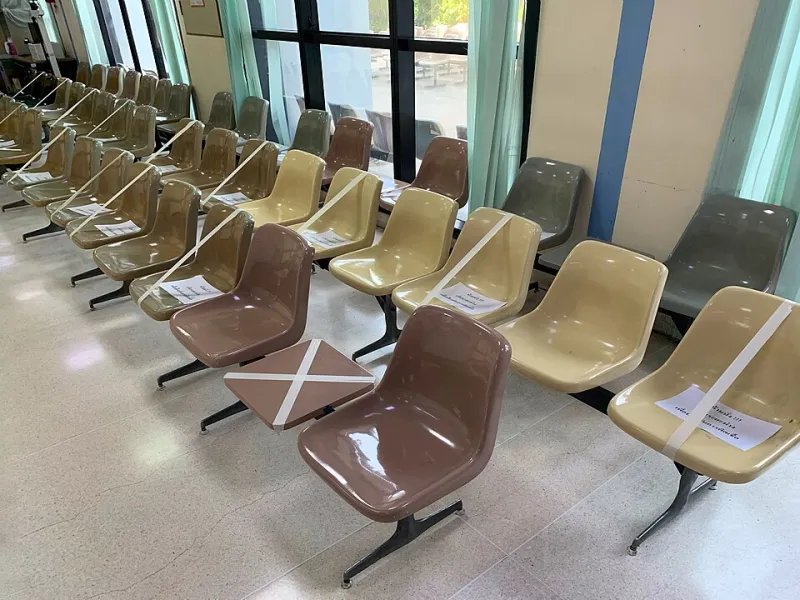
You arrived fifteen minutes early, signed in, and settled into an upholstered chair under fluorescent lights. Forty-five minutes later, a medical assistant wraps a cuff around your arm and records a blood pressure of 148/92. But is that number you — or is it the parking garage, the unanswered work emails, and the low hum of a daytime talk show in the background?
According to physicians and health psychologists, the answer is often the latter. And the distinction matters, because what gets recorded in those first five minutes of an appointment can shape treatment decisions for the next year.
The Waiting Room Is a Physiology Experiment You Didn't Sign Up For
Consider what happens to the average body between the front door and the exam room. The drive to the clinic may involve traffic stress. Parking adds a brisk walk, sometimes uphill, often while carrying a bag. Then comes the waiting itself — an experience researchers have linked to measurable increases in heart rate and circulating stress hormones.
Dr. Elena Marsh, a primary care physician in Ohio, sees the consequences weekly. "A patient will come in with a home reading of 124/78, and the office reading is 142/90. If I only had the office number, I'd be having a very different conversation with them," she says.
This gap has a name: the white coat effect. First described decades ago and confirmed repeatedly since, it refers to the tendency of blood pressure to rise in clinical settings — sometimes by 10 to 20 points systolic — purely because of the environment and the anticipation of being examined.
When a Skewed Number Becomes a Skewed Diagnosis
The white coat effect isn't just a curiosity. Studies suggest that a meaningful share of patients diagnosed with hypertension in office settings actually have white coat hypertension — elevated readings driven by the setting rather than sustained high blood pressure. The reverse also happens: some people relax so completely at home that genuinely concerning readings get masked.
The stakes are real. A falsely elevated office reading can lead to medication that a patient may not need, along with side effects, cost, and follow-up visits. A falsely reassuring one can delay necessary treatment.
"Blood pressure is one of the few vital signs where a single bad moment can trigger a cascade of decisions," says health psychologist Dr. Priya Raman, who studies medical anxiety. "Patients deserve to know that the measurement is a snapshot, and snapshots can be distorted."
What Your Body Is Actually Doing in That Chair
The forty-five minutes before your name is called involve a quiet cascade of physiological events:
- Sympathetic nervous system activation. Anticipation — even mild — releases adrenaline, which raises heart rate and constricts blood vessels.
- Cortisol timing. Morning appointments collide with your body's natural cortisol peak, which can independently elevate readings.
- Residual effects of caffeine and nicotine. A coffee 30 minutes before check-in can raise systolic pressure for up to an hour.
- A full bladder. Uncomfortable but true: studies show it can add up to 10 points to a blood pressure reading.
- Static sitting. Prolonged sitting in an uncomfortable chair reduces circulation and can leave legs swollen or stiff, skewing other measurements.
How to Arrive With Accurate Numbers
Neither Dr. Marsh nor Dr. Raman suggests gaming the system. The goal is a reading that reflects your baseline health — not one inflated by circumstances you control.
Before the appointment:
- Avoid caffeine, nicotine, and vigorous exercise for at least 30 minutes beforehand.
- Use the restroom before the vitals check.
- If possible, arrive 10–15 minutes early so the parking-lot sprint doesn't become the cuff reading.
- Bring your home readings. A week of logged morning measurements is among the most valuable data a clinician can have.
In the waiting room:
- Sit calmly for at least five minutes before any measurement, feet flat, back supported.
- Practice slow breathing — roughly six breaths per minute for a few minutes has been shown to modestly lower blood pressure.
- Skip the tense doom-scrolling. One small study found that smartphone use during waiting periods was associated with higher perceived stress.
In the exam room:
- Ask that your arm be supported at heart level; a dangling arm can inflate systolic readings by several points.
- Make sure the cuff fits. An ill-fitting cuff — too small especially — is one of the most common sources of falsely high readings.
- If your reading seems out of line with your home numbers, say so, and ask for a repeat after a few minutes of quiet rest.
The Broader Lesson: Your Baseline Belongs to You
Both experts emphasize the same takeaway: the most accurate picture of your health comes from repeated, calm, at-home measurements — not a single anxious moment in a clinical chair. For patients with borderline readings, a doctor may recommend home monitoring or an ambulatory cuff worn over 24 hours before making any diagnosis.
"The waiting room tells us how you respond to waiting rooms," Dr. Raman says. "What we actually want to know is how your cardiovascular system lives the other 167 hours of the week."
So the next time you're seated under those fluorescent lights, remember: the minutes before your appointment aren't dead time. They're part of the data. Treat them accordingly — breathe, arrive early, keep your records — and the numbers in your chart will finally tell your real story.