What Your Over-the-Counter Shelf Is Quietly Telling You: A Pharmacist's Self-Audit Guide
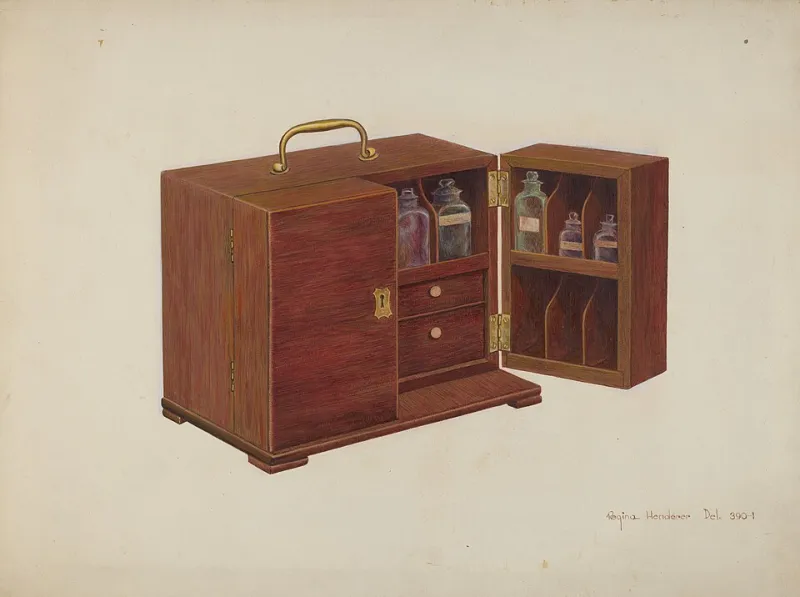
Photo: Regina Henderer, CC0, via Wikimedia Commons
Walk into most American homes and you'll find the same shelf: a bottle of ibuprofen with a chipped cap, a decongestant spray past its prime, antacids stashed in more than one room. Most of these purchases are entirely reasonable. But pharmacists say the frequency and pattern of your over-the-counter buying can be one of the most honest health assessments available — often more revealing than what you'd tell your doctor at an annual visit.
"People rarely come in and say, 'I've had heartburn every night for six months,'" says the kind of community pharmacist perspective we hear repeatedly in counseling sessions. "But they come in every three weeks for the same antacid. That's a conversation starter."
The Shelf as a Symptom Log
Over-the-counter medications are designed for short-term, occasional use. When a product becomes a monthly staple, it may be managing a symptom while the underlying cause goes unexamined. Below are four of the most common patterns pharmacists and physicians flag — and what they suggest you do about them.
Antacids and Acid Reducers: The Heartburn Question
Occasional indigestion after a rich meal is normal, and a calcium carbonate tablet is a sensible fix. The concern begins when antacid use becomes nightly, or when a 14-day course of an H2 blocker or proton pump inhibitor quietly rolls into months of continuous use.
Chronic acid suppression can mask gastroesophageal reflux disease (GERD), which left unaddressed raises the risk of esophageal complications over time. Long-term PPI use has also been associated in observational studies with reduced absorption of vitamin B12 and magnesium, and possibly increased fracture risk.
Better move: If you're using acid reducers more than twice a week for several weeks, schedule a visit. GERD is highly treatable, and lifestyle measures — weight management, earlier dinners, elevating the head of the bed — often reduce reliance on medication.
Decongestant Sprays: The Rebound Trap
Nasal decongestant sprays containing oxymetazoline work remarkably well — for about three days. Used longer, they can trigger rhinitis medicamentosa, or rebound congestion, where the nasal passages swell worse than before the moment the spray wears off.
The result is a cycle that can last months: congestion, spray, temporary relief, worse congestion. Pharmacists spot it easily because customers buy spray after spray and describe a "stuffy nose that nothing touches."
Better move: If you've used a decongestant spray for more than three consecutive days, taper off — some people find starting with one nostril helps — and consider a saline rinse or a steroid nasal spray (with a clinician's guidance) to address the underlying inflammation, whether allergic or structural.
Pain Relievers and the Medication-Overuse Headache
A bottle of acetaminophen or ibuprofen in every bag is common among people with frequent headaches. Ironically, using pain relievers more than roughly 10 to 15 days per month can transform episodic headaches into chronic ones — a phenomenon called medication-overuse headache.
"The treatment becomes the trigger," is how neurologists typically describe it. Frequent analgesic use can also carry its own risks: NSAIDs like ibuprofen and naproxen can irritate the stomach lining and affect kidney function, especially in older adults or those with high blood pressure.
Better move: Track how often you're dosing. If it's most days, that's not a willpower problem — it's a signal to see a physician about headache prevention, which may include identifying triggers, sleep issues, or prescription preventive therapy.
Cough Syrups and Eye Drops: The Persistent-Symptom Signal
A cough lasting more than eight weeks deserves evaluation, not another bottle of dextromethorphan. Persistent cough can stem from postnasal drip, reflux, asthma, or medication side effects — including ACE inhibitors, a common blood pressure drug class.
Similarly, reaching for redness-relief eye drops daily can signal untreated dry eye or allergies. Vasoconstrictor drops used chronically can also cause rebound redness, echoing the decongestant spray pattern.
Better move: Persistent symptoms lasting weeks are a reason for an appointment, not a larger shopping cart.
Your Five-Minute Medicine Cabinet Audit
Set a timer and check your shelf against this list:
- Dates: Anything expired? Expired medications lose potency, and some — like aspirin — can degrade in ways worth avoiding. Dispose of them properly at a pharmacy takeback site or through FDA guidance on safe disposal.
- Frequency: Which bottle is half empty? That's your most-used product and your best clue.
- Duration: Have you used any single product continuously for more than two weeks?
- Duplication: Do you own three versions of the same remedy in different rooms? Dispersion often signals chronic symptoms.
- Labels: Are you taking multiple products containing the same active ingredient — for instance, a cold medicine plus a separate acetaminophen? Accidental double-dosing is a common and preventable cause of liver injury.
When the Shelf and Your Doctor Should Meet
None of this means over-the-counter products are risky — they're among the most rigorously studied and useful tools in American healthcare. The point is that convenience can quietly substitute for curiosity. The bottle you keep rebuying is a data point, and it's one your physician and pharmacist want.
Bring your shelf — literally, in a bag — to your next appointment. It's a five-minute exercise that turns a collection of purchases into a conversation, and conversations are where untreated problems finally get named.