Ten Minutes at a Time: Why Physical Therapists Say 'Exercise Snacks' May Outperform Your Unused Gym Membership

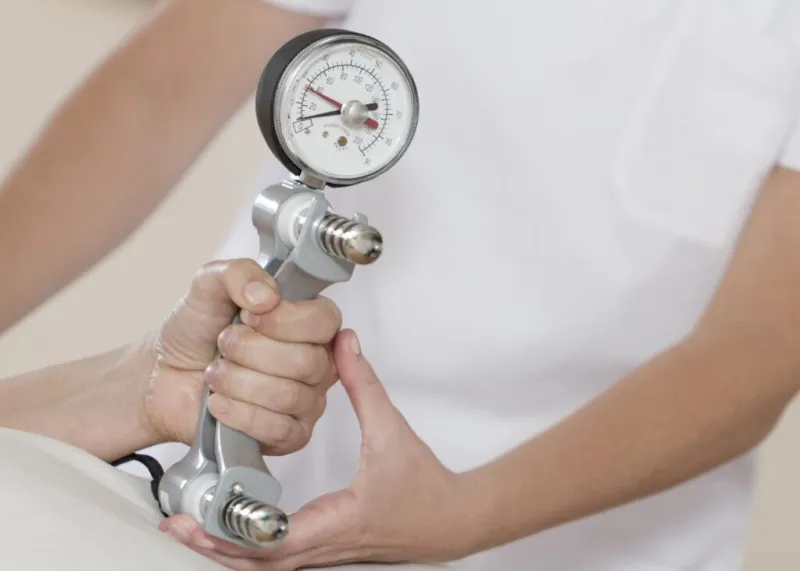
Photo: Elements Of This World, CC BY 2.0, via Wikimedia Commons
If you own a gym membership you haven't used since February, you're not alone — and according to a growing body of research, you may not need it. Physical therapists are increasingly pointing their patients toward a concept researchers call 'exercise snacks': brief bouts of activity, often lasting just one to ten minutes, distributed throughout the day.
The pitch is simple. Instead of one dreaded 45-minute session, you accumulate movement in small, repeatable doses — a brisk stair climb before your shower, a set of squats while coffee brews, a two-minute march during a Zoom break. For millions of time-strapped, desk-bound adults, this may be the most realistic path to better health.
What the Research Actually Shows
The science here is more robust than the trendiness of the term suggests. Studies published in journals such as Medicine & Science in Sports & Exercise have found that breaking up prolonged sitting with short activity bouts improves post-meal glucose regulation and blood pressure. Other trials, including research on 'vigorous intermittent lifestyle physical activity' (VILPA) published in Nature Medicine, found that just three to four brief bursts of vigorous movement per day — think a fast flight of stairs — were associated with substantially lower cardiovascular and cancer mortality in non-exercisers.
The mechanism is intuitive. Muscles act as glucose sinks; contracting them, even briefly, pulls sugar out of the bloodstream and improves insulin sensitivity for hours afterward. Repeated throughout the day, these snacks keep metabolic machinery from idling.
Why Consistency Beats Intensity After 40
'Patients in their forties and fifties often try to train like they're twenty-five, get injured, and quit,' says the pattern many physical therapists describe in practice. The problem isn't motivation — it's load management. Tendons, joints, and recovery capacity change with age, and a sudden intense program is a common ticket to a strained back or angry knee.
Exercise snacks flip the equation. Frequent, moderate doses build a habit loop, accumulate meaningful weekly volume, and impose far less injury risk. The American Heart Association's guidance of 150 minutes of moderate activity per week can be met entirely through accumulated short bouts — a point many consumers miss.
Your 10-Minute Living Room Routine
Perform this circuit once daily; no equipment required. Move at a pace where you can still speak in short sentences.
- March in place — 90 seconds. Pump your arms; lift your knees.
- Chair squats — 10 repetitions. Sit down and stand up from a sturdy chair without using your hands.
- Wall push-ups — 10 repetitions. Step farther from the wall to increase difficulty.
- Standing calf raises — 15 repetitions. Hold a counter for balance.
- March in place — 60 seconds.
- Glute bridges — 10 repetitions. Lie on your back, knees bent, lift your hips.
- Standing side leg lifts — 8 per side.
- Deep breathing with overhead reach — 60 seconds.
Repeat the middle block if time allows. Anyone with cardiovascular disease, joint replacements, or uncontrolled health conditions should clear this with a physician or physical therapist first.
Equipment: Worth It Versus Hype
A modest budget can genuinely help — but most home fitness gear is marketing dressed as medicine.
Worth buying: a set of adjustable dumbbells or light resistance bands (versatile, inexpensive, space-efficient); a stability cushion or basic yoga mat for floor work; a step platform for controlled step-ups.
Skip or scrutinize: vibration plates, 'toning' shoes, ab stimulators, and any machine promising spot reduction. No device contracts your muscles for you in a way that meaningfully replaces voluntary movement.
The Bottom Line
The best workout is the one you actually do — repeatedly. Three or four ten-minute movement snacks a day, anchored to habits you already have (coffee, lunch, the evening news), can meaningfully improve cardiovascular fitness, blood sugar control, and mobility without a contract, a commute, or a single burpee. Your living room has been a gym all along; you just haven't been charged admission.