The Expiration Date Is Not a Suggestion: A Pharmacist's Guide to Auditing Your Home Medicine Stash
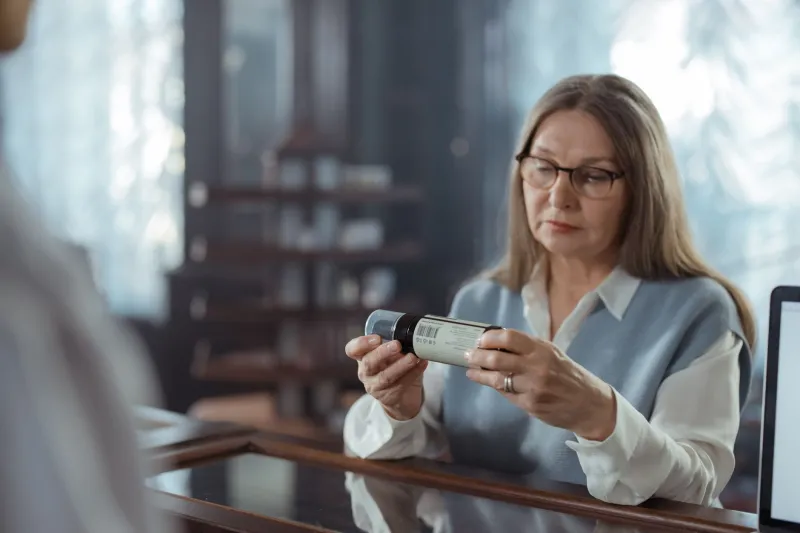
Open nearly any bathroom cabinet in America and you'll find the same archaeology: a cough syrup from three winters ago, a half-finished course of antibiotics, sunscreen with a faded label, and aspirin that has long since turned to powder. We're a nation of medicine hoarders, and most of us have never been taught what that actually costs us.
The good news is that a proper medication audit takes less than an hour, and knowing a few pharmacist-approved rules makes it far less mysterious than most people assume.
Why Expiration Dates Exist in the First Place
An expiration date isn't a marketing gimmick or a way to sell more product — it's the last date a manufacturer will guarantee the drug's full labeled potency, based on stability testing required by the FDA. After that date, the drug doesn't suddenly become poison. It simply drifts into a zone of uncertainty.
Research from the FDA's own Shelf-Life Extension Program, which manages stockpiles for federal emergencies, found that a large share of medications retained acceptable potency for years past their printed dates. But "a large share" is not "all," and that distinction matters enormously depending on what's in the bottle.
The Non-Negotiables: Medications to Toss Without Hesitation
Some categories deserve zero leniency:
- Expired antibiotics. Aside from questionable potency, saving leftover antibiotics encourages self-treating an infection that may not need them — a major driver of antibiotic resistance. Never take a partial course without consulting a clinician.
- Liquid medications. Suspensions and syrups — especially children's formulations — degrade faster than tablets and can support bacterial growth once opened.
- Nitroglycerin tablets and certain heart and seizure medications, where a potency drop can be dangerous rather than merely inconvenient.
- Eye drops and ear drops. Once opened, sterile products have a limited window; the discard date on the label is usually measured in weeks, not years.
- Insulin, injectables, and EpiPens, where failure at a critical moment could be life-threatening.
The Gray Zone: When 'Slightly Expired' May Be Reasonable
For many common over-the-counter products — plain acetaminophen or ibuprofen tablets, antihistamines, hydrocortisone cream — research suggests that tablets stored in a cool, dry place often remain effective for a year or more past their date. Pharmacists generally agree that a tablet that's a few months expired, stored properly, and free of discoloration or odor poses little practical risk for everyday aches and pains.
Where storage conditions matter: bathroom cabinets are arguably the worst room in the house for medications. Humidity and heat from showers accelerate degradation. A bedroom drawer or a hallway closet is a better home for most products.
What Deserves a Spot in a Well-Stocked Cabinet
A periodic audit is also a chance to restock the essentials: unexpired acetaminophen and ibuprofen, a digital thermometer, adhesive bandages, gauze and medical tape, an antibiotic ointment, tweezers, and — if you take medications regularly — an up-to-date list you can hand to any clinician or pharmacist.
How to Dispose of Medications Safely in the US
Flushing medications down the toilet or tossing them loose in the trash sends pharmaceuticals into waterways or into the hands of someone who shouldn't have them. Better options:
- Pharmacy take-back programs. Chains like CVS, Walgreens, and many independent pharmacies maintain medication disposal kiosks — often free and no questions asked.
- National Prescription Drug Take Back Days, held by the DEA twice a year, with year-round collection site locators online.
- Disposal pouches that neutralize medications at home, available at most drugstores.
- If no take-back option exists, mix pills with used coffee grounds or cat litter, seal them in a bag, and place them in the trash — removing personal information from the bottle first.
The FDA does maintain a short flush list for a handful of highly dangerous drugs, such as certain opioids, where the risk of accidental exposure outweighs environmental concerns.
A Twice-Yearly Ritual Worth Adopting
Tie your medication audit to something memorable — the daylight saving time changes are a common suggestion, since you're already checking smoke detectors. Pull everything out, check dates, check storage, and make your disposal run. Twenty minutes, twice a year, is a small price for a medicine cabinet you can actually trust.