Not All Supplements Are Created Equal: The Bioavailability Problem Emptying American Wallets
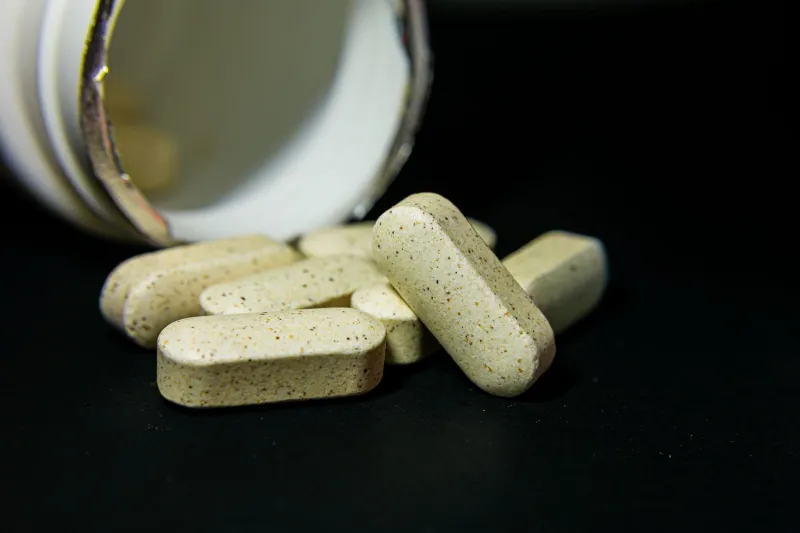
Walk down the supplement aisle of any American pharmacy and you'll see shelf after shelf of nearly identical promises. Magnesium for sleep. Vitamin D for immunity. Turmeric for joints. What the labels rarely tell you is that two products containing the same nutrient can differ dramatically in how much your body actually absorbs — sometimes by a factor of ten or more.
This gap between what's on the label and what reaches your bloodstream is called bioavailability, and understanding it may be the single most useful skill a supplement shopper can develop.
Why Absorption Matters More Than Dosage
Bioavailability refers to the proportion of an ingested nutrient that actually enters circulation and becomes available for your body to use. A 500 mg tablet of a poorly absorbed mineral compound might deliver less usable nutrient than a 100 mg dose of a highly absorbable form.
Several factors influence this: the chemical form of the nutrient, whether it's taken with food, interactions with other compounds (calcium can inhibit iron absorption, for example), and even the manufacturing quality of the capsule or tablet.
"Consumers often comparison-shop on price per capsule, but that's the wrong metric," says Dr. Elaine Farrow, a licensed pharmacist with two decades in clinical practice. "The better question is price per absorbed milligram. A chelated mineral at a higher sticker price can actually cost less per unit your body uses."
The Big Three: What the Research Shows
Magnesium. The oxide form is cheap and common in budget supplements, but studies suggest absorption rates around 4% or lower — which is partly why it's also a popular laxative. Better options include magnesium glycinate (well tolerated, often used for sleep and muscle relaxation), magnesium citrate (moderately well absorbed), and magnesium L-threonate, which some preliminary research suggests may cross the blood-brain barrier more effectively.
Vitamin D. This fat-soluble vitamin requires dietary fat for optimal uptake. Taking D3 with a meal containing fat — eggs, avocado, olive oil — meaningfully improves absorption compared to taking it on an empty stomach. D3 (cholecalciferol) is generally preferred over D2 for raising and maintaining blood levels. Softgel formulations, which suspend the vitamin in oil, offer a practical advantage over dry tablets.
Curcumin. The active compound in turmeric is notoriously hard to absorb and is rapidly metabolized by the liver. Plain turmeric powder delivers very little bioavailable curcumin. Look for formulations paired with piperine (black pepper extract), which can increase absorption substantially, or specialized phytosome and micellar versions designed for enhanced uptake.
How Marketing Disguises a Weak Product
The supplement industry is not required to prove absorption before selling a product, and several common tactics exploit that gap:
- Proprietary blends that list impressive-sounding ingredients without disclosing doses — often meaning the effective ingredients are present in trace amounts.
- Fairy dusting, where a well-known ingredient is added at a fraction of the dose used in clinical studies, purely so it can appear on the label.
- Premium packaging on budget formulas, since bottles and branding cost far less than quality raw materials.
- Third-party testing claims that are vague. Genuine verification comes from USP, NSF Certified for Sport, or Informed Choice seals — not phrases like "lab tested" with no certifying body named.
A Practical Buyer's Checklist
Before you purchase any supplement, run it through this quick screen:
- Identify the chemical form. For minerals, look for chelated forms such as glycinate, bisglycinate, or citrate rather than oxide or carbonate.
- Check for a legitimate certification seal (USP, NSF, Informed Choice).
- Match the dose to the evidence, not to the largest number on the label.
- Consider timing and pairing. Fat-soluble vitamins with meals; iron away from calcium and coffee.
- Consult a pharmacist or physician, especially if you take prescription medications, since interactions are common and underappreciated.
"I tell patients to bring their full supplement list to every medication review," Dr. Farrow adds. "Half the time we find something that's either redundant, poorly absorbed, or actively interfering with a prescription drug."
The Bottom Line
Supplements can play a legitimate role in filling nutritional gaps — but only if your body can actually use what's in the bottle. Prioritizing absorbable forms over rock-bottom prices, and verified products over clever marketing, ensures your investment supports your health rather than your pharmacy's margins. When in doubt, a short conversation with a healthcare professional is the most cost-effective supplement advice you'll ever get.