The Checkout Line Confession: How Your Purchases Reveal Health Secrets You Never Shared
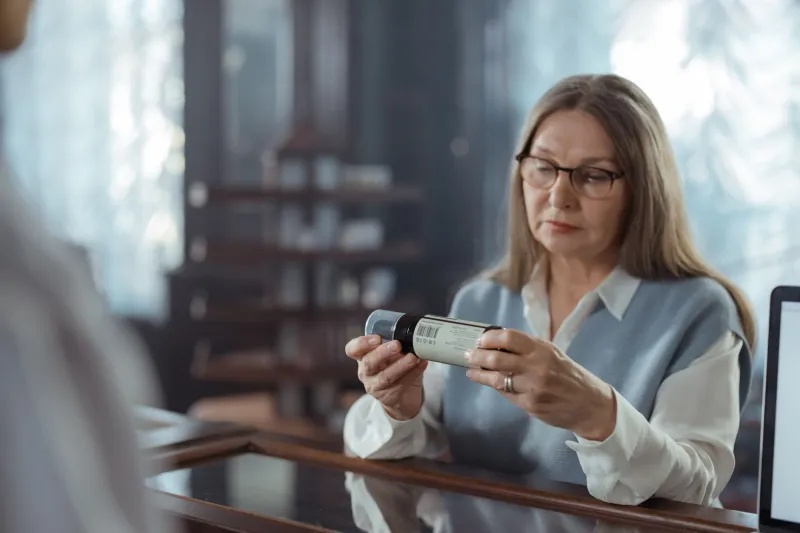
When a Minneapolis woman received pregnancy advertisements from Target before her own father knew she was expecting, the story became a landmark example of what data analysts can infer from shopping patterns. It sounded like a fluke. It wasn't. It was a demonstration of a quiet, sprawling economy built on the health signals embedded in ordinary consumer behavior.
For readers of Best Health Adviser, the question isn't just abstract privacy theory. It's practical: what are you revealing every time you pick up a prescription, scan a loyalty card, or order magnesium gummies online — and what can you reasonably do about it?
What the Data Trail Actually Looks Like
Most Americans assume their health information is protected by HIPAA. In reality, HIPAA covers what your doctor, hospital, and insurer do with your records — not what you buy at the drugstore.
The unprotected trail includes:
- Pharmacy loyalty programs. Every swipe links purchases — prescriptions, over-the-counter remedies, pregnancy tests, nicotine patches — to your identity. Pharmacies have long used this data internally for refill reminders and advertising, but the pattern is legible to anyone who sees it.
- Supplement and wellness purchases. Buying folic acid, iron, or prenatal vitamins together forms a signature that algorithms read as early pregnancy. Similar patterns exist for conditions like acid reflux, depression, or diabetes.
- Insurance claims data. While governed by stricter rules, claims data can flow into analytics products, particularly for de-identified (but not always truly anonymous) research and marketing datasets.
- Health apps and wearables. Period trackers, sleep apps, and symptom checkers frequently share data with third-party analytics firms — a practice the Federal Trade Commission has penalized in high-profile enforcement actions.
- Search and browsing history. Queries about symptoms or medications, made on the same devices used for shopping, enrich the same profiles.
Data brokers aggregate these fragments into consumer segments — categories like "expecting parent," "diabetes interest," or "mental health concern" — which are then licensed to advertisers, lead generators, and sometimes employers or insurers operating in legal gray zones.
Why This Matters for Your Health — Not Just Your Privacy
The stakes go beyond awkward ads. Consumer profiles built from purchase data are unregulated guesses, and unregulated guesses can be wrong.
A person buying iron supplements for anemia might be profiled as pregnant. Someone purchasing adult diapers for a parent might be flagged for incontinence themselves. These inferences can follow you into insurance marketing, targeted scams aimed at vulnerable diagnoses, or employment-adjacent data products.
There's also a chilling effect worth naming: research in health policy journals has found that a meaningful share of consumers avoid searching for health information or skip certain purchases out of privacy fears. When people hesitate to research a symptom or fill a prescription, that's a preventive-health problem, not just a tech problem.
The Target Pregnancy Story, Revisited
The famous Target case worked because statisticians identified purchase patterns — unscented lotion, certain vitamins, cotton balls — that shift in the second trimester. The company could assign a "pregnancy prediction score" to a shopper ID. The now-told anecdote of the angry father, later apologetic after learning his teenage daughter was indeed pregnant, crystallized a truth that has only intensified: inference has outpaced disclosure.
Today's version doesn't require a retailer's internal team. Dozens of data brokers openly advertise health-related audience segments. The pharmacy receipt has, in effect, become a broadcast.
Practical Privacy Steps That Don't Require Going Off-Grid
Complete anonymity isn't realistic for most people, and you shouldn't need to sacrifice convenient prescriptions. Privacy experts and physicians suggest a tiered approach:
1. Audit your loyalty programs. Check whether your pharmacy's program is required for prescription pricing (often it isn't — cash discount programs like GoodRx operate separately). If the card is optional, decide whether the discounts justify the data sharing. Read the privacy policy for the phrase "affiliates and third parties."
2. Separate identity from purchase where you can. Paying cash for sensitive over-the-counter items, or using a generic store account with a different email, breaks the identity linkage that makes profiling valuable.
3. Tighten app permissions. Review which health apps share data with third parties — both iOS and Android now show this in privacy labels. Delete apps you haven't opened in months; a dormant period tracker is still a data asset.
4. Opt out at the broker level. The National Association of Attorneys General and privacy nonprofits maintain lists of major data brokers with opt-out procedures. It's tedious — expect an hour or two — but it works at the margins.
5. Use browser hygiene for health searches. A private browsing window or a privacy-focused search engine prevents symptom queries from joining the same profile as your shopping data.
6. Know your state rights. California, Washington, Nevada, and a growing list of states have health-data privacy laws that go beyond HIPAA, including rights to request deletion. If you live in one, use them.
A Balanced View
To be fair, purchase data isn't purely sinister. Pharmacy programs genuinely improve medication adherence, flag dangerous drug interactions, and power the refill reminders that keep chronic conditions managed. Public health researchers have used retail data to track opioid distribution and even forecast flu outbreaks.
The problem is consent that's buried in fine print and inference that no one signed up for. The goal isn't paranoia — it's intentionality. Decide which parts of your health story you're comfortable sharing, and take the small, practical steps that keep the rest of it yours.
Your pharmacist doesn't need to guess. Your checkout history already told them. The question is who else is listening — and now, at least, you have a way to lower the volume.